
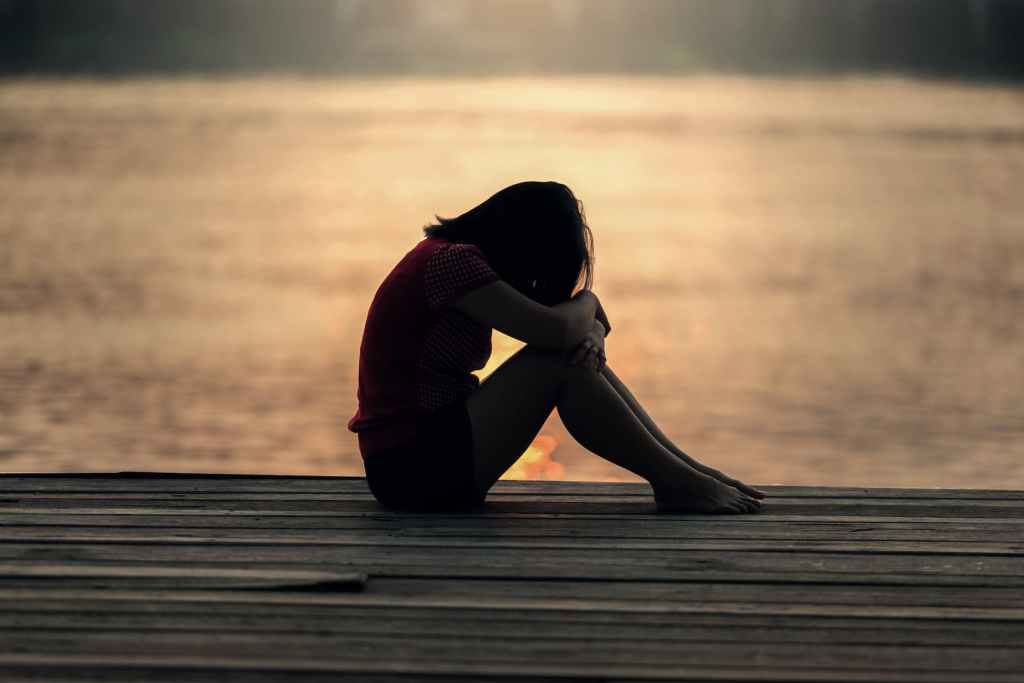
Self-esteem plays a crucial role in various aspects of our lives, influencing not only how we perceive ourselves but also affecting our social interactions, academic and professional performance, and emotional well-being.
If you resonate with some of the signs below, your self-esteem may need attention:
- Excessive Self-Criticism: Tendency to criticize oneself constantly, even in the face of notable achievements.
- Personal Insecurity: Feelings of insecurity about one’s abilities, physical appearance, and intelligence.
- Difficulty Accepting Compliments: Inability to genuinely accept compliments, often downplaying one’s own accomplishments.
- Constant Comparison: Tendency to frequently compare oneself to others, resulting in feelings of inadequacy.
- Fear of Judgment: Constant fear of being judged or rejected by others, leading to excessive self-preservation.
- Avoiding Challenges: Tendency to avoid challenging situations due to fear of failure or an inability to cope with difficulties.
- Social Isolation: Avoiding social interactions, often believing oneself unworthy of friendships or relationships.
- Recurrent Negative Thinking: Constant presence of negative thoughts about oneself, one’s worth, and capabilities.
- Excessive Perfectionism: Constantly seeking perfection but feeling dissatisfied with one’s own performance.
- External Validation Dependency: Constant need for external validation to feel good about oneself.
Recognizing these signs is the first step in addressing low self-esteem. If you identify with some of them, know that seeking support from friends, family, or specialized professionals can be crucial to initiating a process of building self-esteem and emotional well-being. Remember, it is possible to transform these patterns and embark on a path to healthier self-esteem.
Analyzing the Main Causes of Low Self-Esteem:
- Constant Criticism: Receiving frequent criticism, especially during formative years, can leave deep scars, shaping a depreciative view of oneself.
- Excessive Comparison: Constant comparison with others, whether in appearance, achievements, or skills, results in feelings of inadequacy, contributing to low self-esteem.
- Traumas and Abuses: Traumatic experiences, such as physical, emotional, or sexual abuse, have the power to negatively impact self-image.
- Failures and Rejections:Persistent failures and experiences of rejection, both personally and professionally, undermine self-confidence, fueling low self-esteem.
- Unrealistic Expectations: The imposition of unrealistic standards, whether by others or elevated personal expectations, creates a constant feeling of not meeting expectations, harming self-esteem.
- Extreme Perfectionism: The extreme pursuit of perfection creates a constant sense of inadequacy, given the impossibility of meeting impeccable standards in all aspects of life.
- Bullying and Social Rejection: Instances of bullying, social exclusion, and relationship difficulties negatively impact self-esteem, especially during formative years.
- Mental Health Problems: Disorders like depression and anxiety trigger feelings of devaluation, contributing to low self-esteem.
- Negative Cultural Messages: Cultural influences promoting unattainable standards can affect self-esteem, especially when one does not fit these norms.
- Failure in Authenticity: Feeling the need to mask one’s true identity to fit societal expectations results in a disconnection from the authentic self, leading to low self-esteem.
Recognizing this complexity is crucial. Consciously addressing these causes and seeking professional support are fundamental steps to overcoming low self-esteem and building a healthy self-image.
——–

Discover the Exclusive Area of Be Divine Club
✨Manifest your dreams faster!✨
The most complete spirituality and manifestation club: with advanced content, science-based tools, special transmissions and a welcoming community — all designed to help you manifest your goals with greater clarity, confidence and speed.

 Be Divine | @barbaraVianart
Deixe um comentário